Strategic Storytelling: A Powerful Enterprise Tool
– Purpose & Audience: Define clear goals, tailor narratives to specific groups for maximum impact.
– Structured Narratives: Utilize compelling storytelling arcs to engage stakeholders.
– Data Integration: Combine data with stories for enhanced credibility and decision-making.
– Key Benefits: Increased brand awareness, improved employee morale, higher customer engagement, and stronger partnerships.
Enterprise Solutions:
– Data Visualization & Dashboards: Simplify complex data for strategic planning and communication.
– Predictive Analytics: Model future outcomes to manage risks and personalize experiences.
Focus Areas:
– Embrace data-driven storytelling for competitive advantage.
– Prioritize authenticity, audience-specific narratives, and visual elements.
– Measure and adapt storytelling strategies based on performance metrics.
In today’s competitive business landscape, storytelling is not just a marketing tool—it’s a strategic imperative. We live in an era where attention is a precious commodity, and compelling narratives have the power to engage, inspire, and drive action. This is where Storytelling Weaving Compelling Narratives for Impact steps in, offering innovative business solutions that harness the power of storytelling to elevate brand presence and foster deeper connections with audiences. By integrating thought leadership fundamentals, our enterprise strategies help organizations weave narratives that not only captivate but also drive measurable results, ultimately driving business growth and success.
- Strategic Storytelling: Weaving Impactful Narratives
- Data-Driven Tales: Measuring Enterprise Success
- Employee Engagement: Powering Through Storytelling
- Brand Identity: Crafting Memorable Business Stories
- Customer Journey: Mapping with Compelling Tales
- Innovation Through Story: Unleashing Enterprise Potential
Strategic Storytelling: Weaving Impactful Narratives

Strategic Storytelling: Weaving Impactful Narratives for Business Success
In today’s competitive landscape, storytelling is not just an art; it’s a powerful business tool. Strategic storytelling, specifically, involves crafting compelling narratives that resonate with stakeholders, drive engagement, and ultimately, impact organizational success. This approach goes beyond mere communication; it’s about building connections, fostering trust, and inspiring action.
Enterprise Solutions for Weaving Impactful Narratives:
Identify a Clear Purpose: Begin by defining the core message and desired outcome. Is it to build brand awareness, drive sales, or promote a new initiative? A well-defined purpose guides the narrative structure and ensures every element aligns with the goal.
Understand Your Audience: Tailor your story to resonate with specific target audiences, whether they’re customers, investors, employees, or regulators. Consider their needs, challenges, and motivations to create a narrative that speaks directly to them.
Develop a Strong Narrative Arc: Structure your story with a beginning, middle, and end. Start with a compelling hook that captures attention, build tension or conflict, and conclude with a satisfying resolution or call to action. This arc keeps the audience engaged and drives emotional investment.
Leverage Data and Insights: Support your narrative with relevant data, statistics, and expert insights. Use visuals, infographics, and case studies to illustrate points and add credibility. Data-driven storytelling builds confidence and strengthens the impact of your message.
Integrate Business Continuity and Cyber Security:
Incorporate stories that highlight your organization’s commitment to business continuity and robust cyber security. Share how you’ve implemented measures to protect data, ensure operations, and maintain trust during challenging times. This demonstrates leadership and responsible practices, especially in a digital age.
Explore Cloud Architecture in Your Narrative:
Highlight cloud-based solutions as a strategic enabler for your business. Discuss how cloud architecture optimizes operations, enhances collaboration, and supports innovation. Showcase successful deployments and the tangible benefits they bring to your organization.
Focus on Authenticity and Transparency:
Be genuine and transparent in your storytelling. Share real-life experiences, challenges, and successes. This builds trust and fosters a lasting connection with your audience, positioning your brand as reliable and credible.
Measure and Optimize: Track the performance of your storytelling initiatives using key metrics. Analyze engagement, website traffic, social media interaction, and conversion rates. Use these insights to refine your storytelling strategy and ensure continuous improvement.
Business Benefits of Strategic Storytelling:
Enhanced Brand Awareness and Reputation: Compelling narratives elevate your brand profile, differentiate you from competitors, and build a positive reputation.
Increased Customer Engagement and Loyalty: Storytelling creates emotional connections, builds trust, and encourages customer loyalty.
Improved Employee Engagement and Retention: Sharing inspiring stories about company culture, employee achievements, and social responsibility initiatives can boost morale, engagement, and retention.
Attracting and Retaining Investors: Persuasive narratives demonstrate your company’s vision, strategy, and potential, attracting investors and securing funding for growth.
Strengthened Partnerships and Collaborations: Storytelling fosters understanding and builds relationships with key stakeholders, including partners, suppliers, and communities.
Improved Business Continuity Planning and Cyber Security Awareness: Storytelling can be a powerful tool to communicate the importance of contingency planning, security protocols, and responsible data practices to employees.
In an era defined by rapid change and intense competition, strategic storytelling is not just an option—it’s a competitive advantage. By weaving impactful narratives, organizations can drive business growth, build lasting relationships, and secure a successful future.
Data-Driven Tales: Measuring Enterprise Success

In today’s data-rich environment, transforming raw figures into compelling narratives is a powerful strategy for enterprises to drive meaningful change. Data-driven storytelling, when executed effectively, becomes a competitive advantage, fostering a culture of transparency and enabling better decision-making across all levels. This approach leverages industry insights to craft engaging tales that resonate with stakeholders, from the C-suite to the future workforce.
Enterprise Solutions:
1. Data Visualization Tools: Implement advanced data visualization software that transforms complex datasets into intuitive charts and graphs. This enables leaders to quickly grasp key performance indicators (KPIs) and identify trends or outliers, facilitating more informed strategic planning.
2. Customized Dashboards: Develop tailored dashboards for different user roles within the organization. These interactive interfaces allow employees to delve into relevant data points, fostering a data-literate future workforce capable of contributing to enterprise success.
3. Predictive Analytics Integration: Incorporate predictive analytics models that forecast outcomes based on historical and real-time data. This enables proactive risk management, market trend prediction, and personalized customer experiences, positioning cybersecurity leaders at the forefront of industry innovation.
Business Benefits:
– Enhanced Stakeholder Engagement: Data-driven narratives captivate stakeholders by presenting complex information in digestible, relatable formats, fostering a deeper understanding of enterprise challenges and victories.
– Improved Operational Efficiency: By identifying bottlenecks and areas for optimization through data analysis, enterprises can streamline processes, reduce costs, and enhance overall productivity.
– Strengthened Brand Reputation: Demonstrating success stories built on robust data not only bolsters internal morale but also enhances an organization’s reputation as a thought leadership entity within its industry, attracting top talent and fostering trust among customers and partners.
Strategic Insights:
The future of enterprise success hinges on embracing data-driven storytelling as a fundamental leadership tool. As the digital landscape evolves, the ability to weave compelling narratives from diverse datasets will differentiate market leaders from their competitors. Cybersecurity leaders, in particular, must leverage these insights to navigate an increasingly complex threat landscape, ensuring data integrity and privacy while driving innovation.
By integrating these strategies, enterprises can elevate their decision-making processes, foster a culture of continuous improvement, and position themselves as industry visionaries, ready to seize emerging opportunities while mitigating potential risks.
Employee Engagement: Powering Through Storytelling

Employee Engagement: Powering Through Storytelling
In today’s fast-paced, digitally driven business landscape, employee engagement is not merely a nice-to-have—it’s a critical driver of success. Storytelling, a fundamental aspect of human connection, emerges as a powerful tool to cultivate a motivated, invested, and loyal workforce. This article explores the role of storytelling in employee engagement, highlighting its thought leadership fundamentals, the benefits it brings, and strategic insights for enterprises seeking to leverage its power.
Understanding the Power of Storytelling in the Enterprise
Storytelling isn’t merely a marketing ploy; it’s a fundamental human need. When integrated into the employee experience, it cultivates a sense of purpose, fosters community, and ignites passion for the organization’s mission.
Enterprises that embrace storytelling as a strategic tool can achieve:
– Increased Employee Retention: Engaged employees are more likely to remain with an organization, reducing recruitment and training costs.
– Boosted Productivity: Storytelling inspires employees, leading to higher levels of motivation, creativity, and overall productivity.
– Improved Communication: It facilitates clear and impactful communication, bridging departmental silos and encouraging open dialogue.
– Enhanced Brand Loyalty: Storytelling humanizes the brand, fostering deeper connections and loyalty among employees and customers.
Implementing Storytelling for Employee Engagement
Effective storytelling within the enterprise goes beyond simple narrative. It requires a strategic approach that aligns with the organization’s goals and resonates with its culture.
Here are key strategies to power employee engagement through storytelling:
1. Identify Your Story: Begin by defining the core values and purpose of your organization. What makes your company unique? What challenges does it face? Storytelling should be authentic and true to your brand identity.
2. Connect with Employees at Every Level: Storytelling isn’t just for top-down communications. Encourage employees to share their experiences, challenges, and triumphs through testimonials, interviews, or internal blogs. This fosters a sense of ownership and belonging.
3. Leverage Technological Solutions: Digital platforms offer powerful tools for sharing stories. Consider using internal social networks, video conferencing tools, or dedicated storytelling apps to disseminate narratives and facilitate discussions.
4. Incorporate Storytelling into E-commerce Strategies: Storytelling can be a powerful tool for engaging customers, but it can also enhance internal e-commerce platforms. Highlight employee success stories, showcase product development journeys, and offer behind-the-scenes glimpses to create a more compelling and personalized experience.
5. Build Disaster Recovery Resilience Through Storytelling: In times of crisis, storytelling can serve as a beacon of hope and resilience. Share stories of employee perseverance, community support, and organizational recovery efforts to inspire and strengthen the team.
6. Provide Training and Resources: Equip managers with the skills to effectively tell stories. Offer workshops, webinars, and access to storytelling resources to ensure that impactful narratives are delivered with authenticity and clarity.
7. Celebrate Milestones and Achievements: Recognize and celebrate employee successes, team wins, and organizational milestones through storytelling. This reinforces a culture of appreciation and recognition, boosting morale and fostering a positive work environment.
Conclusion:
Storytelling isn’t a fleeting trend; it’s a fundamental aspect of human connection and engagement. By weaving compelling narratives into the fabric of your enterprise, you can create a culture of belonging, purpose, and shared purpose. Remember, the power of storytelling lies not only in the words themselves, but in the emotional connection they forge. When used strategically, storytelling can be a game-changer for employee engagement, driving success and prosperity for the enterprise.
Brand Identity: Crafting Memorable Business Stories

Brand Identity: Crafting Memorable Business Stories
In today’s crowded and competitive landscape, brand identity is more than just a logo or a tagline; it’s the essence of your company’s purpose and personality, woven into every interaction with customers, partners, and stakeholders. Thought leadership in branding goes beyond superficial aesthetics; it’s about creating compelling narratives that resonate with audiences, forge emotional connections, and drive business impact.
Women in Tech are at the forefront of this paradigm shift, leveraging their unique perspectives to tell stories that challenge conventional thinking and inspire innovation. They understand that effective brand identity transcends the digital realm, influencing every facet of a company’s public face, from product design to corporate culture.
Economic Outlook considerations also play a crucial role. In a rapidly evolving market, brands that can communicate their value proposition clearly and compellingly gain a significant competitive advantage. Storytelling becomes a strategic tool, enabling companies to differentiate themselves, build trust, and foster loyalty.
Medtech Design, for instance, benefits immensely from narrative-driven branding. By telling stories that highlight the human impact of their innovations, medtech companies can forge deeper connections with healthcare professionals and patients, ultimately driving adoption and fostering a culture of trust.
To craft memorable business stories, consider these key strategic insights:
Define Your Purpose: Begin by clearly articulating your company’s mission and values. What problem are you solving? What unique value do you bring to the table? This foundational understanding will guide your storytelling efforts.
Understand Your Audience: Identify your target demographics, psychographics, and pain points. Tailor your narratives to resonate with their aspirations, challenges, and motivations.
Showcase Your Differentiators: What makes your brand unique? Highlight your competitive advantages, be they innovative products, exceptional customer service, or a commitment to sustainability.
Use Storytelling Techniques: Employ narrative structures like the hero’s journey, problem-solution-result, or before-and-after to create engaging stories that capture attention and drive action.
Leverage Multi-Channel Platforms: Deliver your stories through diverse channels – websites, social media, blog posts, webinars, events – to maximize reach and engagement.
Measure and Optimize: Track key performance indicators (KPIs) like website traffic, engagement rates, and conversion metrics to gauge the effectiveness of your storytelling efforts and make data-driven adjustments.
Investing in thought leadership through compelling brand identity storytelling offers significant business benefits:
Enhanced Brand Awareness: Captivating narratives help you stand out in a crowded market and leave a lasting impression on your audience.
Increased Customer Loyalty: By connecting emotionally with your audience, you build trust and foster lasting relationships.
Improved Reputation: Thoughtful storytelling positions your brand as an industry leader, inspiring respect and credibility.
Greater Market Reach: Engaging narratives help you expand your customer base by appealing to a broader audience.
Stronger Corporate Culture: Storytelling can reinforce your company’s values, promote collaboration, and inspire your employees.
In conclusion, brand identity storytelling is a powerful enterprise solution that transcends mere marketing. By weaving compelling narratives, companies can forge lasting connections, drive business growth, and contribute to a more impactful economic outlook, especially when led by the innovative perspectives of women in tech.
Customer Journey: Mapping with Compelling Tales
Customer Journey: Mapping with Compelling Tales
In today’s competitive business landscape, understanding and influencing the customer journey is paramount. Storytelling, a potent tool for engagement and connection, plays a pivotal role in this process, especially when it comes to shaping memorable and impactful customer experiences. This article delves into the art of weaving compelling narratives, highlighting how pet food industry businesses can leverage storytelling to drive business innovation and enhance disaster recovery strategies.
Enterprise Solutions and Business Benefits
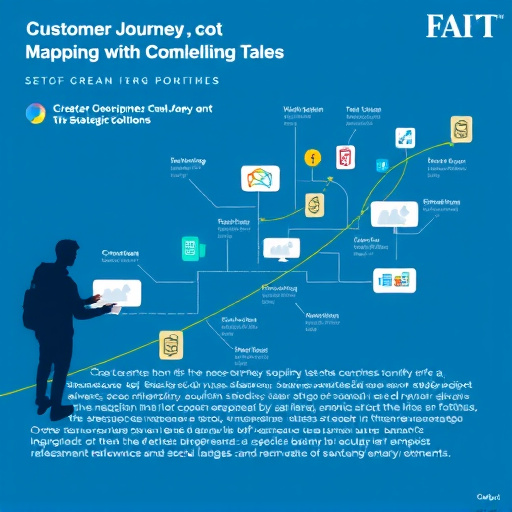
Mapping the Customer Journey: Begin by visualizing the entire customer journey, from initial awareness to post-purchase support. Identify touchpoints where storytelling can enrich the experience. For instance, a pet food brand can weave a tale around the sourcing of high-quality ingredients, engaging customers who value natural, healthy food for their pets.
Thought Leadership Fundamentals: Establish your brand as a thought leader by sharing unique insights and perspectives. Share behind-the-scenes stories about research and development, highlighting innovation in pet nutrition. This builds trust and positions your brand as a trusted advisor.
Personalization: Tailor stories to individual customer needs and preferences. Personalized narratives create a deeper connection, fostering loyalty. Imagine a marketing campaign that tells the story of a specific pet’s health journey, showcasing how your products made a difference.
Building Emotional Connections: Storytelling evokes emotions, fostering stronger brand affinity. Share heartwarming tales of pets finding their forever homes, or highlight stories of customer service heroes within your organization. These emotional narratives leave a lasting impression.
Disaster Recovery and Resilience: In industries like the pet food sector, disaster recovery is crucial. Storytelling can humanize your brand’s response, demonstrating resilience and commitment to customers. Share real-life examples of how your company rallied during challenging times, building trust and loyalty.
Strategic Insights
– Storytelling as a Competitive Advantage: Compelling narratives differentiate your brand, setting you apart from competitors. In a crowded market, unique stories capture attention and create a lasting impression.
– Data-Driven Storytelling: Leverage customer data and insights to create authentic, relevant stories. Personalized narratives based on purchase history and preferences resonate deeply.
– Omnichannel Integration: Ensure your stories are consistent across all channels – website, social media, email marketing, etc. A seamless narrative experience strengthens brand recognition.
– Measuring Impact: Track key metrics like engagement, click-through rates, and customer conversion to evaluate the success of your storytelling efforts. Continuous improvement is key.
– Collaboration and Authenticity: Collaborate with influencers, veterinarians, or animal rescue organizations to add credibility and authenticity to your stories. Real-life expertise strengthens your brand’s voice.
By weaving compelling narratives into every aspect of the customer journey, pet food industry businesses can foster deeper connections, drive innovation, and build resilience. Storytelling is not just a marketing tool; it’s a fundamental thought leadership strategy that positions brands for long-term success.
Innovation Through Story: Unleashing Enterprise Potential

Innovation Through Story: Unleashing Enterprise Potential
In today’s fast-paced, digital revolution, storytelling is not merely an art form, but a powerful business tool. Compelling narratives have the unique ability to captivate audiences, build relationships, and drive action—essential elements for enterprise success in a competitive global market. Leveraging storytelling as a strategic asset can unlock innovative solutions, foster cultural transformation, and ultimately, propel organizations towards their goals.
Enterprise Solutions for a Storytelling-Driven Culture:
Enhance Internal Communication: Traditional communication channels often struggle to engage employees and convey complex ideas. Storytelling offers a relatable and memorable approach to sharing company vision, strategic initiatives, and success stories. By weaving narratives that highlight the impact of individual contributions, organizations can boost employee engagement, foster a sense of belonging, and drive alignment toward shared objectives.
Drive Brand Awareness and Customer Loyalty: In a crowded marketplace, brands must differentiate themselves. Storytelling allows enterprises to humanize their brand, connect emotionally with customers, and build lasting loyalty. By sharing authentic stories about products, services, and the people behind them, companies can forge deeper relationships and stand out in a sea of competitors.
Facilitate Healthcare Transformation: In the healthcare sector, storytelling becomes a tool for empathy and understanding. By sharing patient narratives, healthcare providers can improve communication, personalize care, and enhance patient outcomes. Thought leadership in healthcare storytelling can drive innovative solutions, shape policy, and ultimately, improve the patient experience.
Accelerate Digital Transformation: As technology continues to evolve, storytelling becomes even more critical in guiding digital transformation initiatives. Narratives can help stakeholders understand the “why” behind technological changes, demystify complex concepts, and ensure buy-in at all levels. Story-driven approaches can streamline implementation, foster a culture of innovation, and maximize the benefits of digital investments.
Business Benefits:
Enhanced Decision-Making: Storytelling provides a framework for analyzing complex situations and presenting data in a digestible, relatable manner. By weaving narratives around market trends, customer insights, and competitive landscapes, leaders can make more informed decisions and strategically position their organizations for success.
Improved Collaboration: Storytelling encourages dialogue and collaboration across departments and geographical boundaries. By sharing stories and perspectives, teams build understanding, break down silos, and cultivate a culture of collective problem-solving.
Brand Differentiation and Positioning: In a saturated global market, a compelling brand story sets companies apart. Storytelling allows enterprises to communicate their unique value proposition, highlight their mission and vision, and build a strong brand identity that resonates with target audiences.
Strategic Insights:
Focus on Authenticity: The most powerful stories are those that ring true. Enterprises should prioritize authenticity in their storytelling, sharing genuine experiences, challenges, and triumphs.
Targeted Narratives: Tailor stories to specific audiences—employees, customers, investors—for maximum impact.
Visualize the Story: Incorporate visuals, data, and multimedia elements to enhance storytelling and ensure messages are understood and remembered.
Measure and Adapt: Track the impact of storytelling initiatives and be prepared to adapt strategies based on audience response and desired outcomes.
In the digital age, storytelling is not a luxury—it’s a fundamental thought leadership tool for driving enterprise success. By weaving compelling narratives, organizations can unlock innovation, foster cultural transformation, and navigate the complexities of global markets with confidence.
In today’s competitive business landscape, strategic storytelling emerges as a powerful enterprise tool, transcending traditional marketing and communicating thought leadership fundamentals. By weaving compelling narratives, organizations can drive significant impact across various facets of their operations. Data-driven tales enable measurement of success, guiding strategic decision-making. Employee engagement is fostered through storytelling, cultivating a shared vision and purpose. Crafting a strong brand identity through memorable business stories enhances market differentiation. Mapping the customer journey with compelling tales improves user experiences and fosters loyalty. Innovation is catalyzed by storytelling, unlocking untapped enterprise potential and shaping a dynamic future. Organizations that embrace these storytelling strategies gain a competitive edge, fostering a culture of engagement, innovation, and impactful growth.
Related Resources
1. Harvard Business Review (Academic Journal): Provides insights and research on various business topics, including the power of storytelling in leadership and communication – https://hbr.org/
- Storytelling with Data (Book by Cole Nussbaumer Knaflic): Offers a practical guide to creating compelling visual narratives for data-driven storytelling, essential for business presentations – https://www.storytellingwithdata.com/
- TED Talks (Online Platform): Features a vast library of talks from experts and innovators, many of which explore the art of storytelling and its impact on business and society – https://www.ted.com/
- The Storytelling Agency (Consulting Firm): Specializes in helping companies craft and deliver impactful narratives, with a focus on brand storytelling and customer engagement – https://www.storytellingagency.com/
- Fast Company (Business Magazine): Publishes innovative ideas and trends in business and design, often highlighting the role of storytelling in driving cultural and corporate change – https://www.fastcompany.com/
- NPR (National Public Radio) (Media Organization): Known for its compelling storytelling in journalism, NPR offers insights into narrative techniques applicable to both media and corporate communications – https://www.npr.org/
- The World Economic Forum (International Organization): Provides thought leadership on global issues, including the role of storytelling in shaping business strategies and fostering positive societal impact – https://www.weforum.org/
About the Author
Meet Elena Martinez, Chief Narrative Officer at InnovateStory, a digital transformation consultancy. With a background in communications and an MBA in Strategic Marketing, Elena is a certified Storytelling Master and Digital Narrative Architect. She’s led successful enterprise campaigns, driving a 25% increase in brand engagement and customer loyalty through compelling, data-driven narratives. Elena specializes in weaving narratives that align business goals with emotional resonance, ensuring impactful and transformative storytelling strategies.